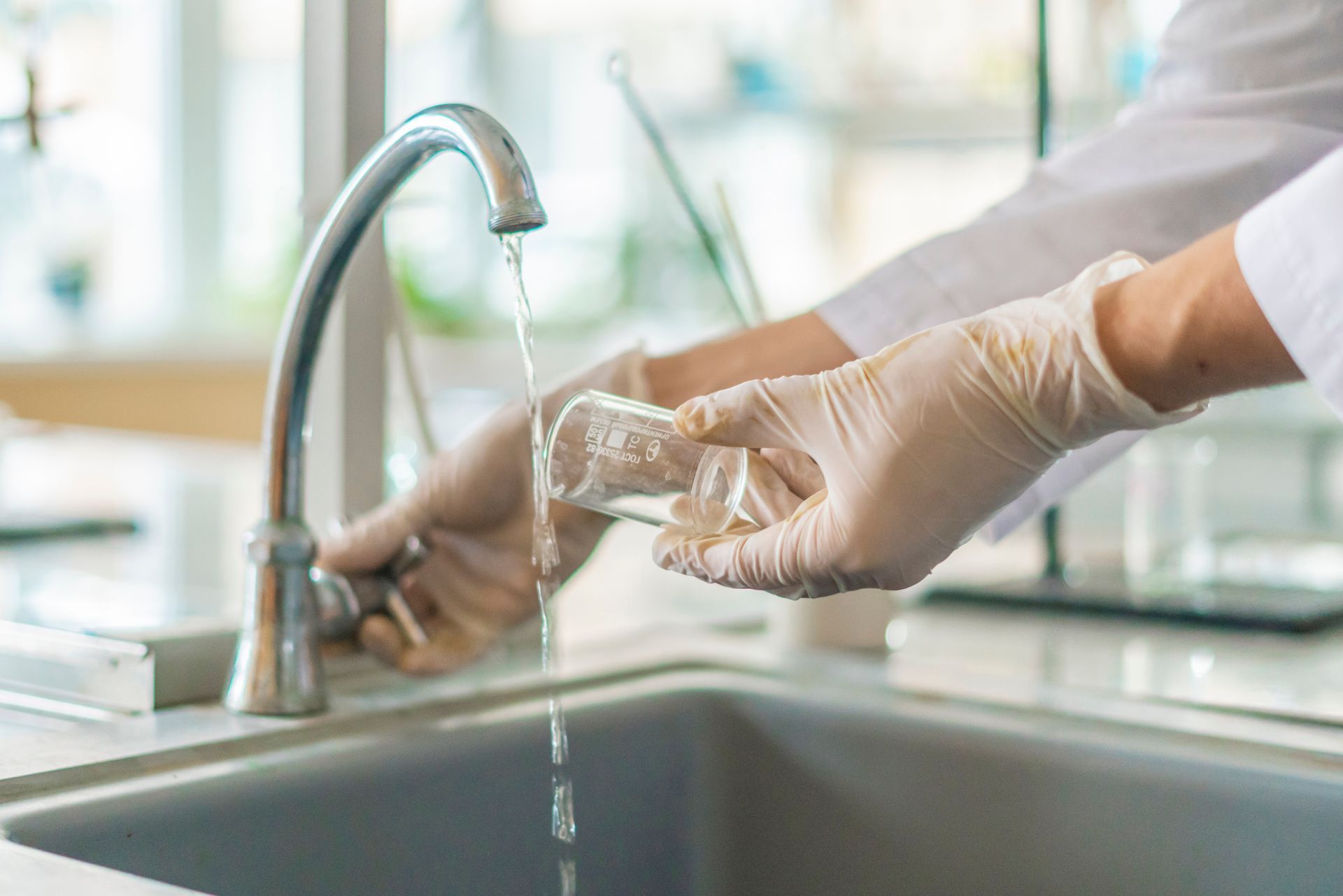
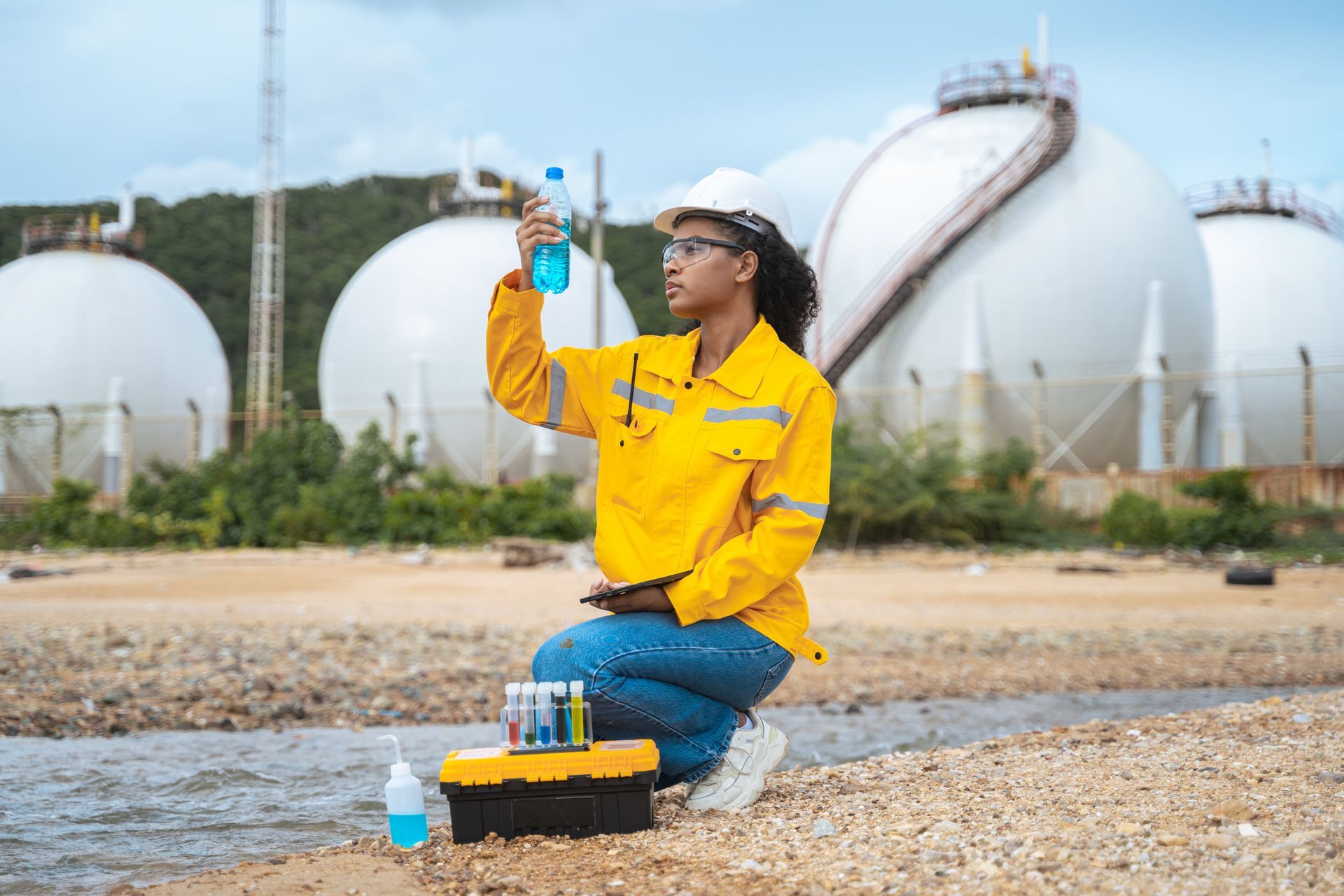
Why Water Quality Testing in Monterey, CA, Is Essential for Safe and Healthy Living
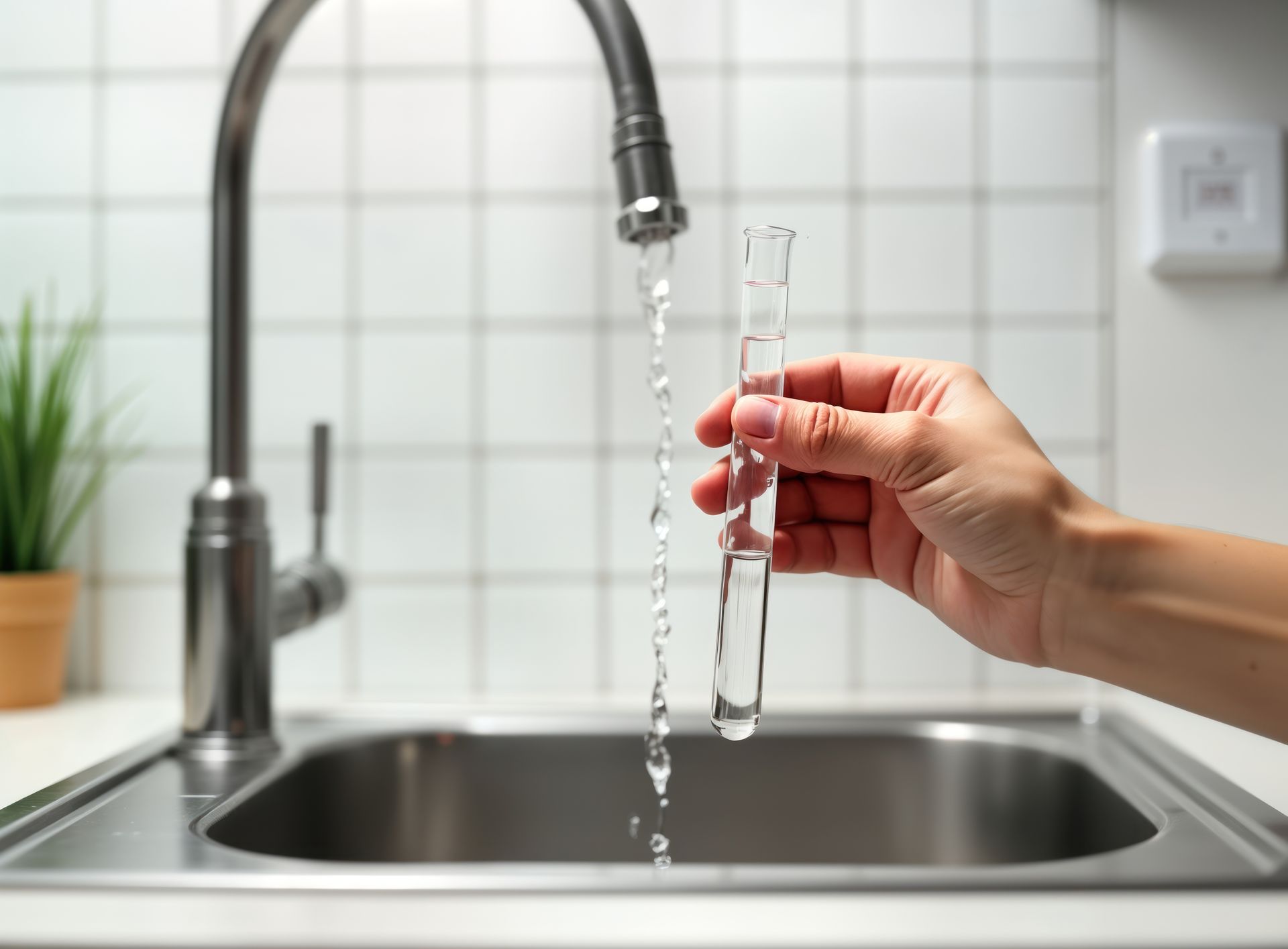
Water quality testing in Monterey, CA, is a critical step toward protecting the health of your household, your crops, and your community. Residents and growers across the Monterey Peninsula and surrounding coastal areas rely on a variety of water sources, including private wells, municipal supplies, and irrigation systems, each of which can carry hidden contaminants that are impossible to detect by sight, smell, or taste alone. Understanding what may be in your water is the first step toward making informed decisions about your health and safety.
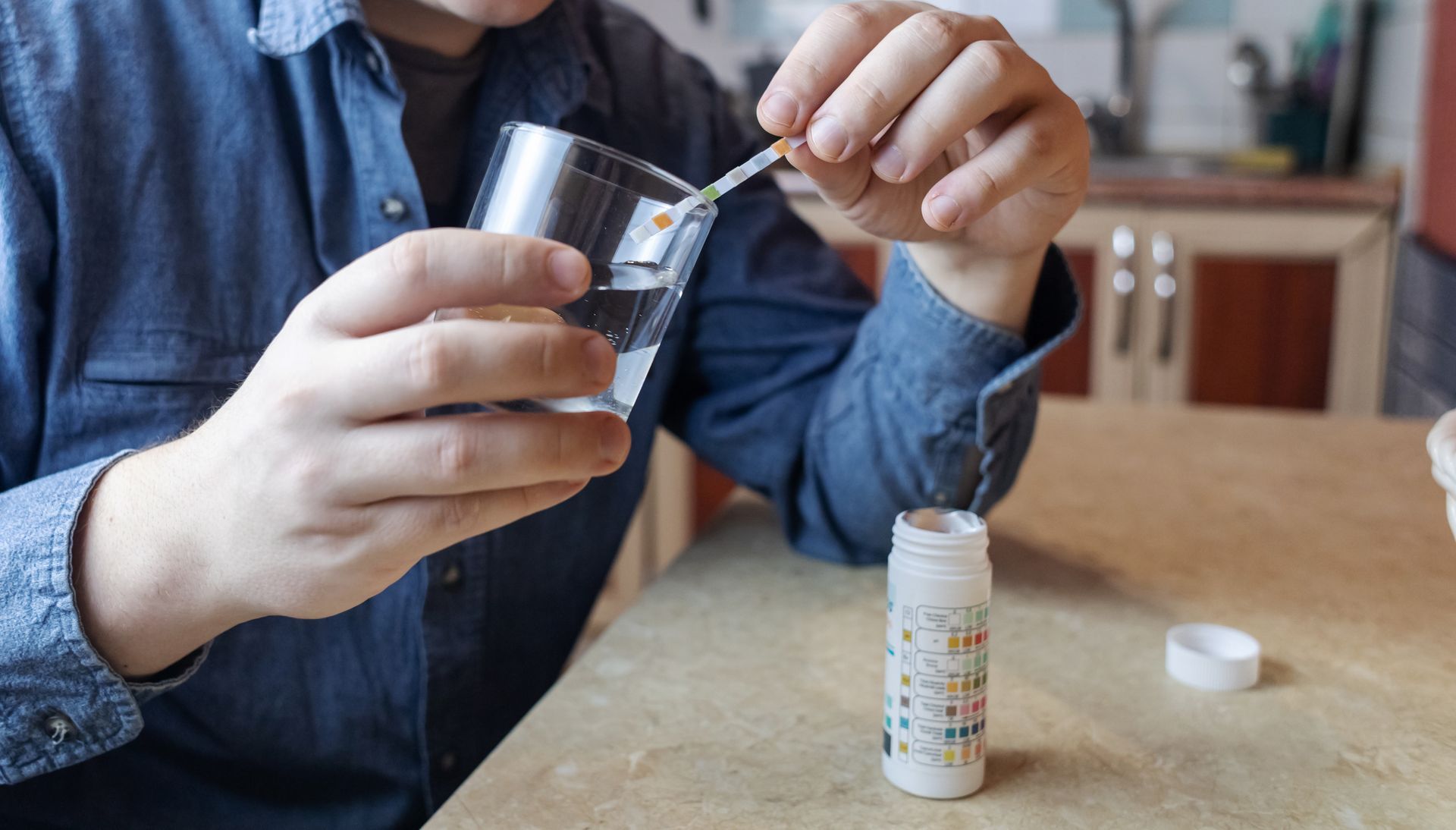
Why Monterey, CA, Water May Carry Hidden Contaminants
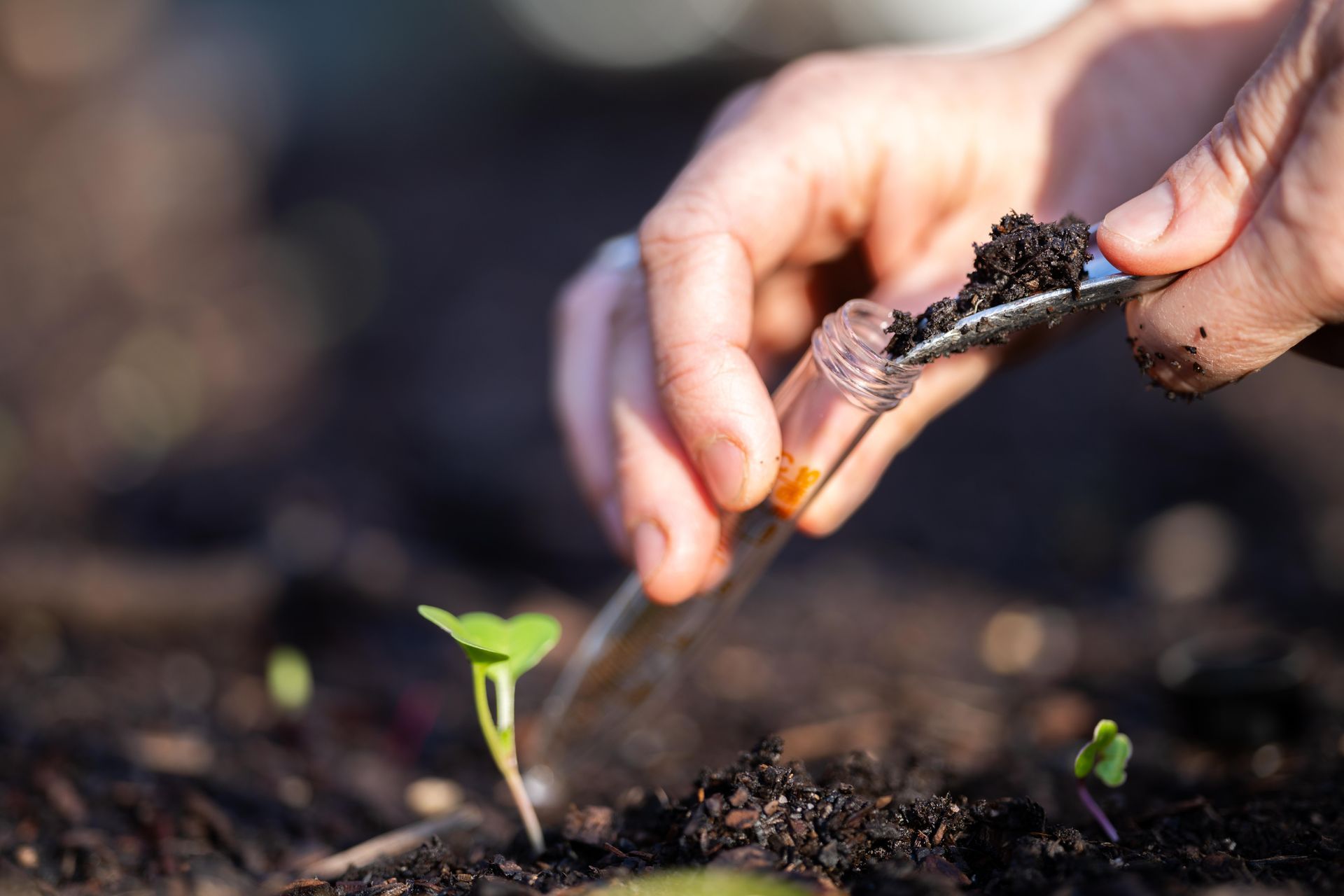
Monterey County's water can carry contaminants from agricultural runoff, aging infrastructure, and coastal environmental conditions. The region's rich farming heritage, while a tremendous economic asset, also means that pesticides, nitrates, and fertilizer runoff can sometimes enter local groundwater and surface water supplies. In addition, older pipes and distribution systems may introduce lead or copper into tap water over time. Because many contaminants have no visible signs, regular Water Quality Testing in Monterey, CA, is one of the most reliable ways to know what you are actually consuming.
Common Contaminants Found in Local Water Supplies
Several types of contaminants are commonly detected during water testing in Monterey and surrounding areas. These may include:
▸Bacteria and pathogens: Coliform bacteria, including E. coli, can enter water supplies through agricultural runoff or septic system failures, posing serious illness risks.
▸Nitrates: Heavy fertilizer use in Monterey County's agricultural zones can elevate nitrate levels in groundwater, which may be particularly harmful to infants and pregnant women.
▸Lead and heavy metals: Aging plumbing materials can leach lead and other heavy metals into drinking water, contaminants linked to developmental issues in children.
▸Pesticides: Agricultural chemicals used across the Salinas Valley corridor can migrate into water sources through soil absorption and stormwater runoff.
▸Sediment and turbidity: Coastal and rural wells may experience elevated sediment levels, especially following storms or seismic activity.
No single contaminant type defines every water source. A comprehensive Drinking Water Analysis can reveal the full picture of what is present, even in water that looks and tastes clean.
Health Risks of Untreated or Contaminated Water
Contaminated water can cause serious short- and long-term health effects. Some contaminants act quickly, such as bacteria that may cause gastrointestinal illness within hours of exposure. Others, like lead and certain pesticides, accumulate gradually in the body and may not produce symptoms until significant damage has already occurred. Vulnerable populations, including children, the elderly, and individuals with compromised immune systems, can face the greatest risks. Regular water quality testing helps identify problems before they reach levels that affect health.
How Drinking Water Analysis Supports Safety and Compliance
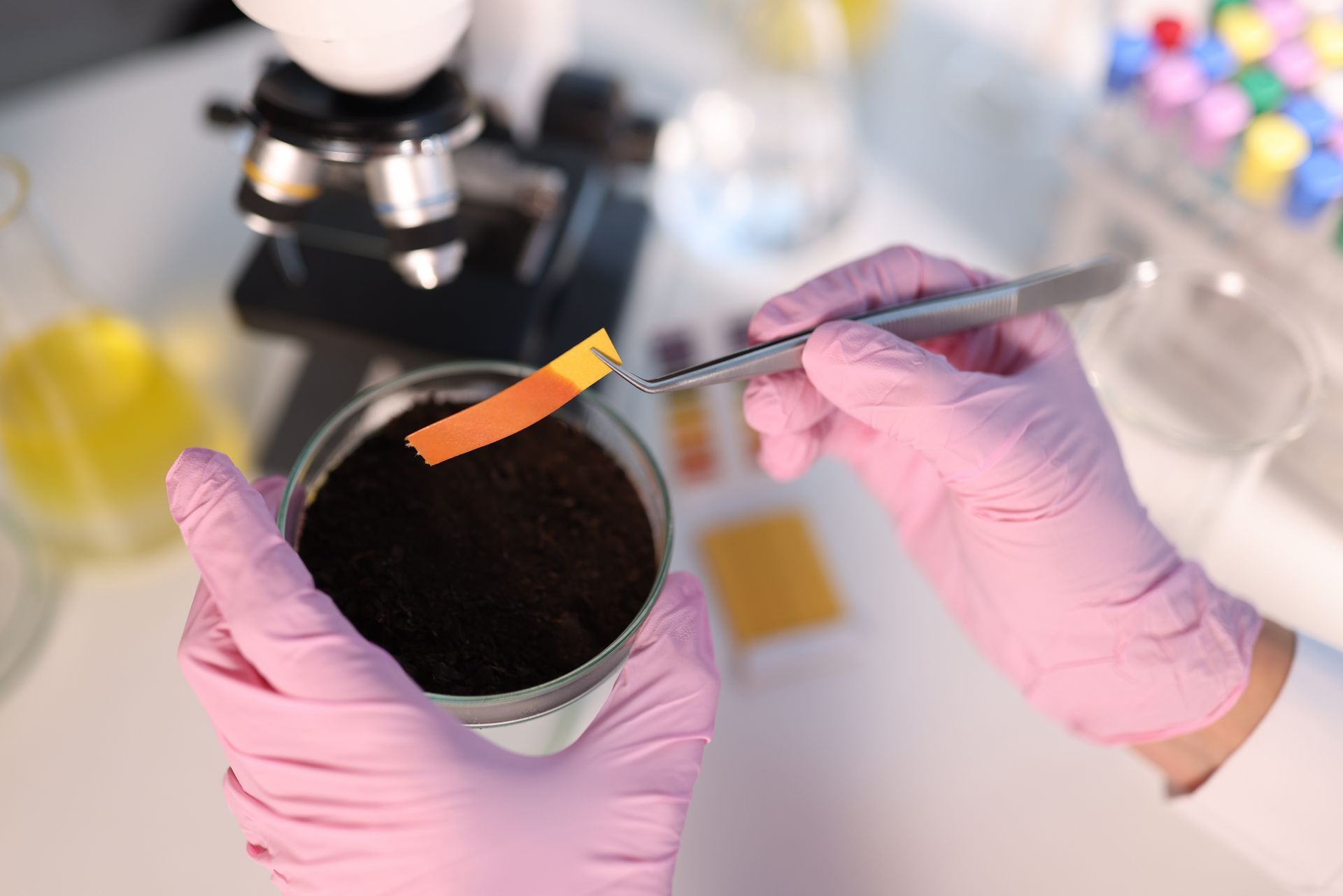
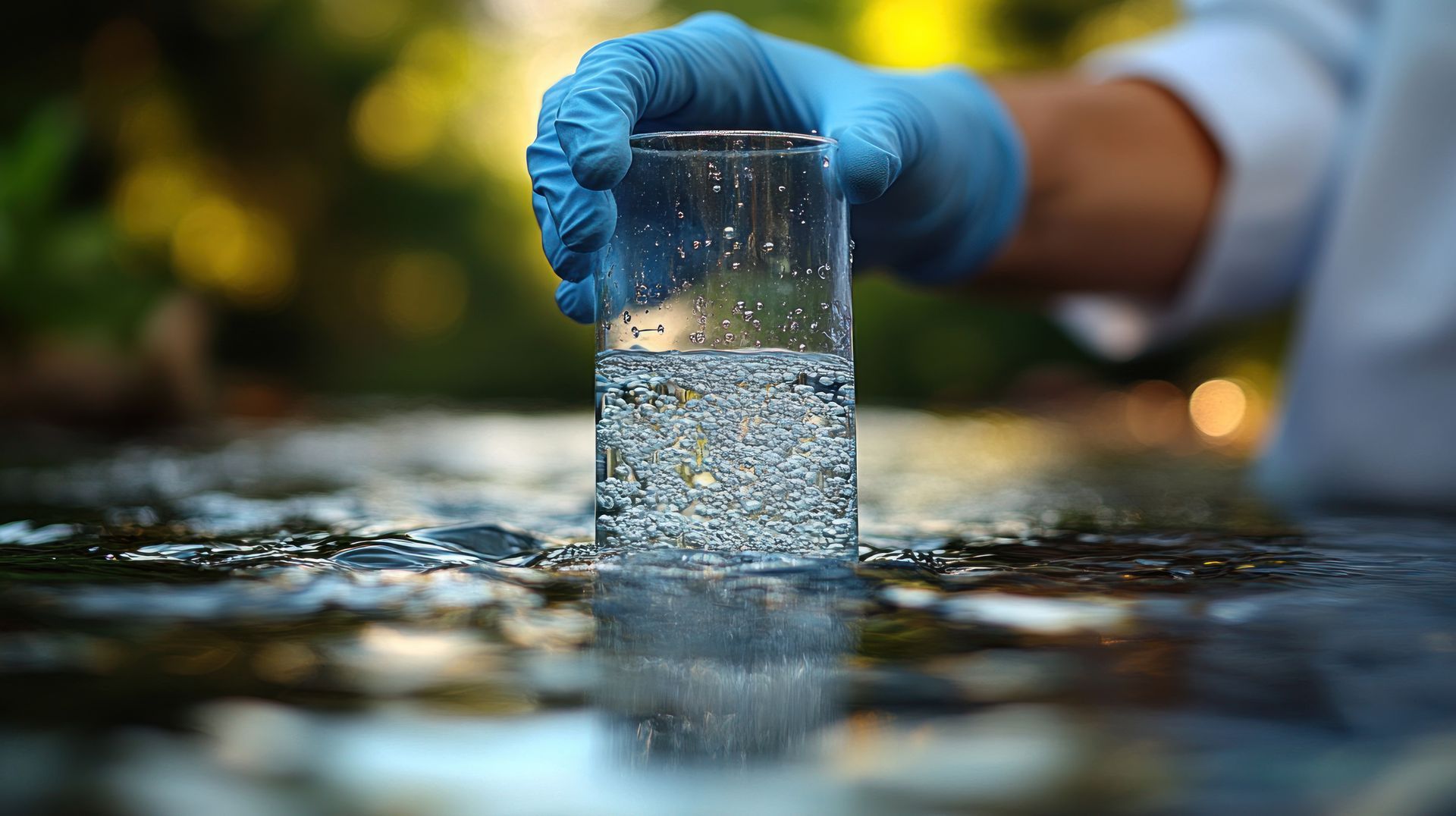
Drinking Water Analysis involves testing a water sample in a certified laboratory against established safety benchmarks. Certified laboratories use scientifically validated methods to measure contaminant levels and compare results against standards set by the U.S. Environmental Protection Agency (EPA) and California's State Water Resources Control Board. For homeowners with private wells, this type of analysis may be the only way to verify that their water meets safe drinking standards, since private wells are not regulated under the same rules as public water systems. Businesses, agricultural operations, and municipalities may also need documented water testing results to maintain regulatory compliance.
Water Quality Testing in Monterey, CA, performed through a certified laboratory, may also be required when buying or selling a property with a private well, or when renewing permits for food-handling or agricultural operations.
How Often Should You Test Your Water?
Testing frequency may vary depending on your water source and local conditions. Certified laboratories can help determine the right testing schedule for your needs.
General guidance often suggests:
▸Testing private well water at least once per year for bacteria and nitrates.
▸Testing after flooding, nearby construction, or any change in taste, odor, or color.
▸Testing before using a new well or irrigation system for crops or livestock.
▸Testing when a new infant joins a household served by well water.
▸Testing any time there has been a known contamination event in the local area.
The Role of a Certified Laboratory in Delivering Trustworthy Results
Not all water testing is equal. Certified laboratories follow strict chain-of-custody procedures, validated analytical methods, and quality assurance protocols that ensure test results are accurate and defensible. Results from a certified laboratory can be used to guide treatment decisions, satisfy regulatory requirements, and provide documentation for real estate or permitting purposes. Choosing a laboratory with demonstrated experience in water analysis for the Central California Coast means your results will reflect the specific environmental conditions and regulatory context relevant to Monterey County.
Start Protecting Your Water Quality in Monterey, CA, Today
Water safety is not something to leave to chance. Watsonville-based Control Laboratories proudly serves Monterey, CA, and surrounding communities with professional Water Quality Testing and drinking water analysis services. With decades of experience serving Central California's agricultural and residential communities, Control Laboratories delivers certified, science-backed results you can act on. To learn more about available testing options, visit the Water Testing Service page or contact the team today. You can also reach the laboratory directly at (831) 724-5422 to discuss your water testing needs. Find Control Laboratories on Google Maps for directions and hours.