Groundwater vs. Surface Water Testing: What Seaside and Monterey County Property Owners Need to Know in 2026
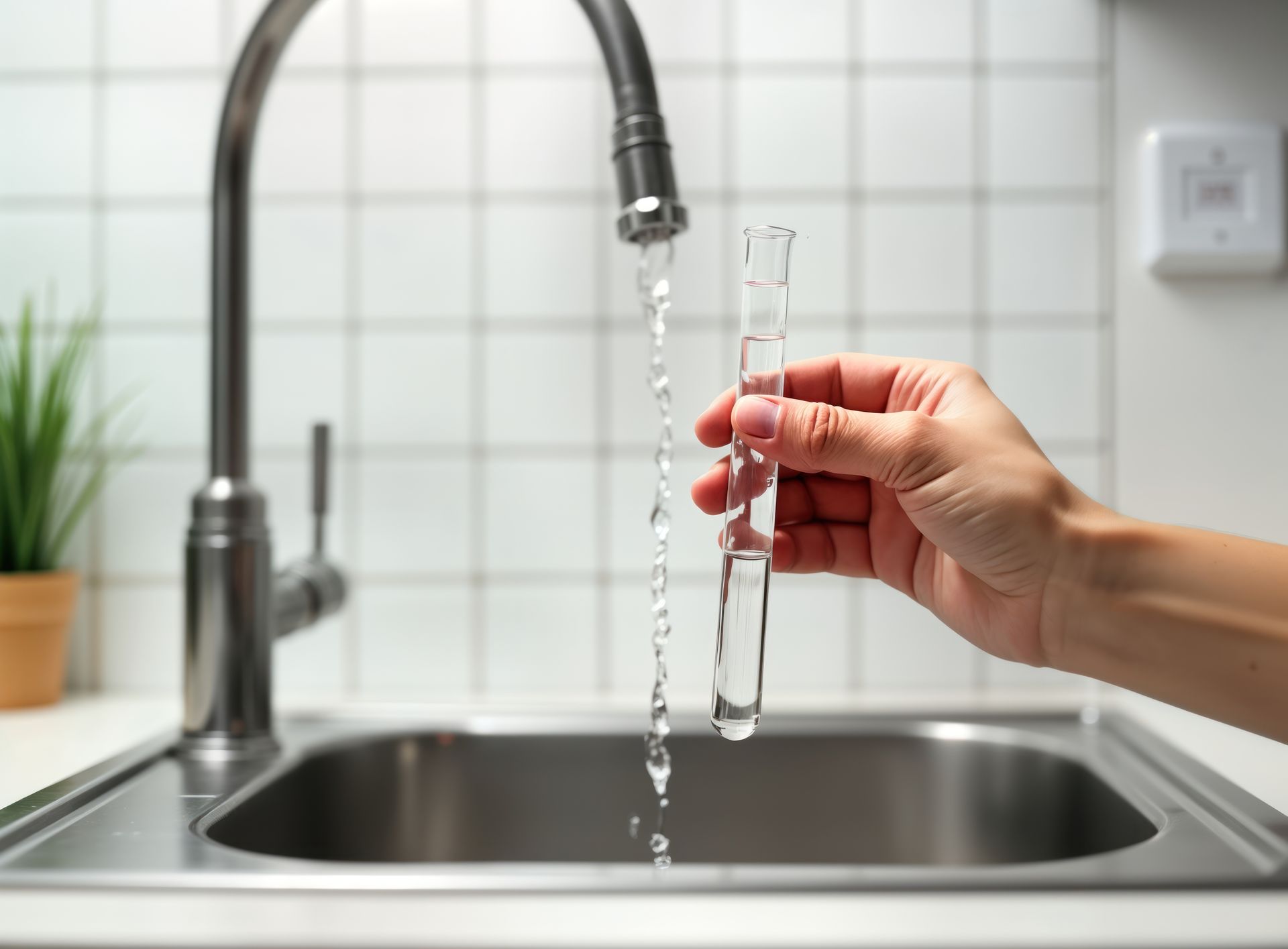
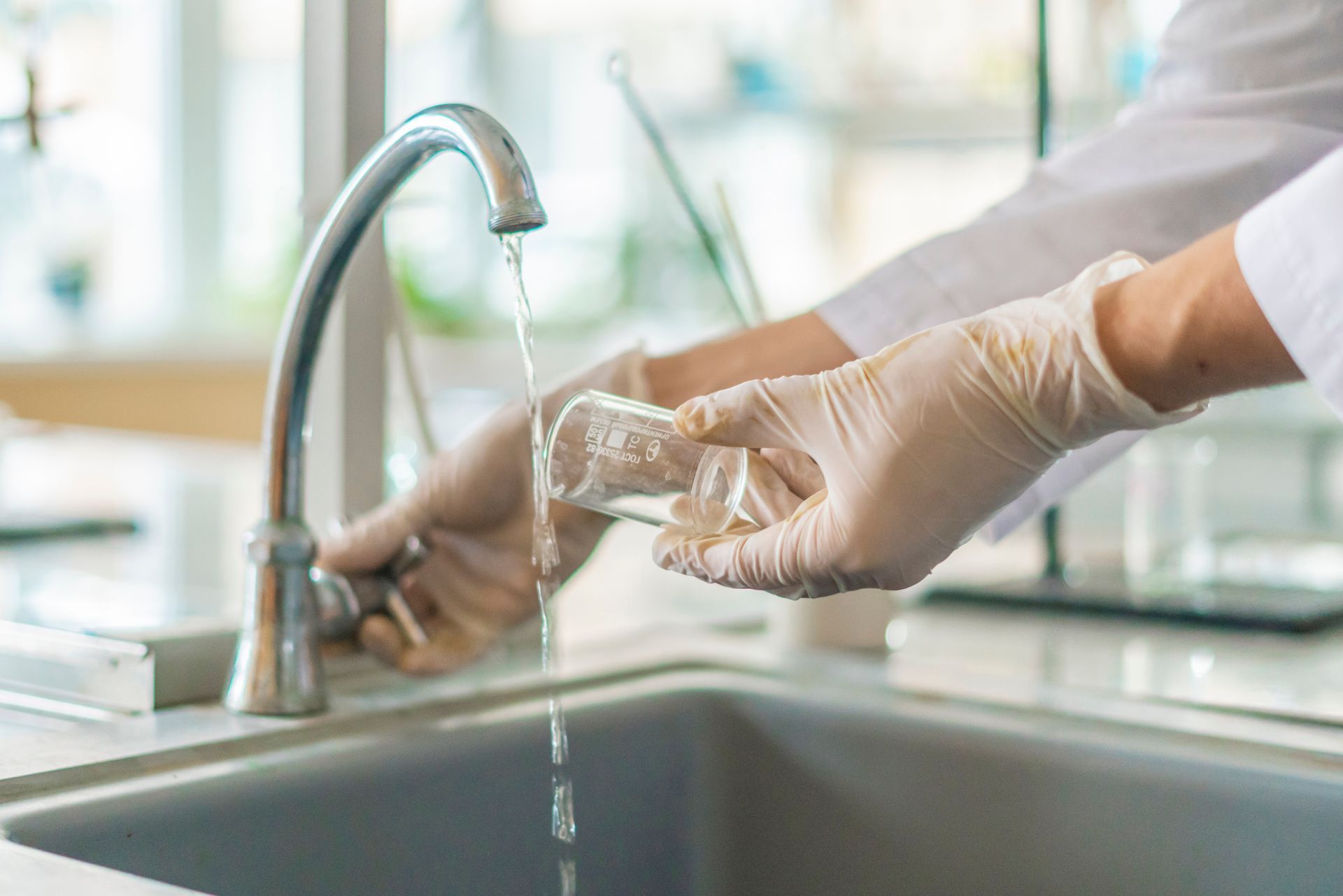
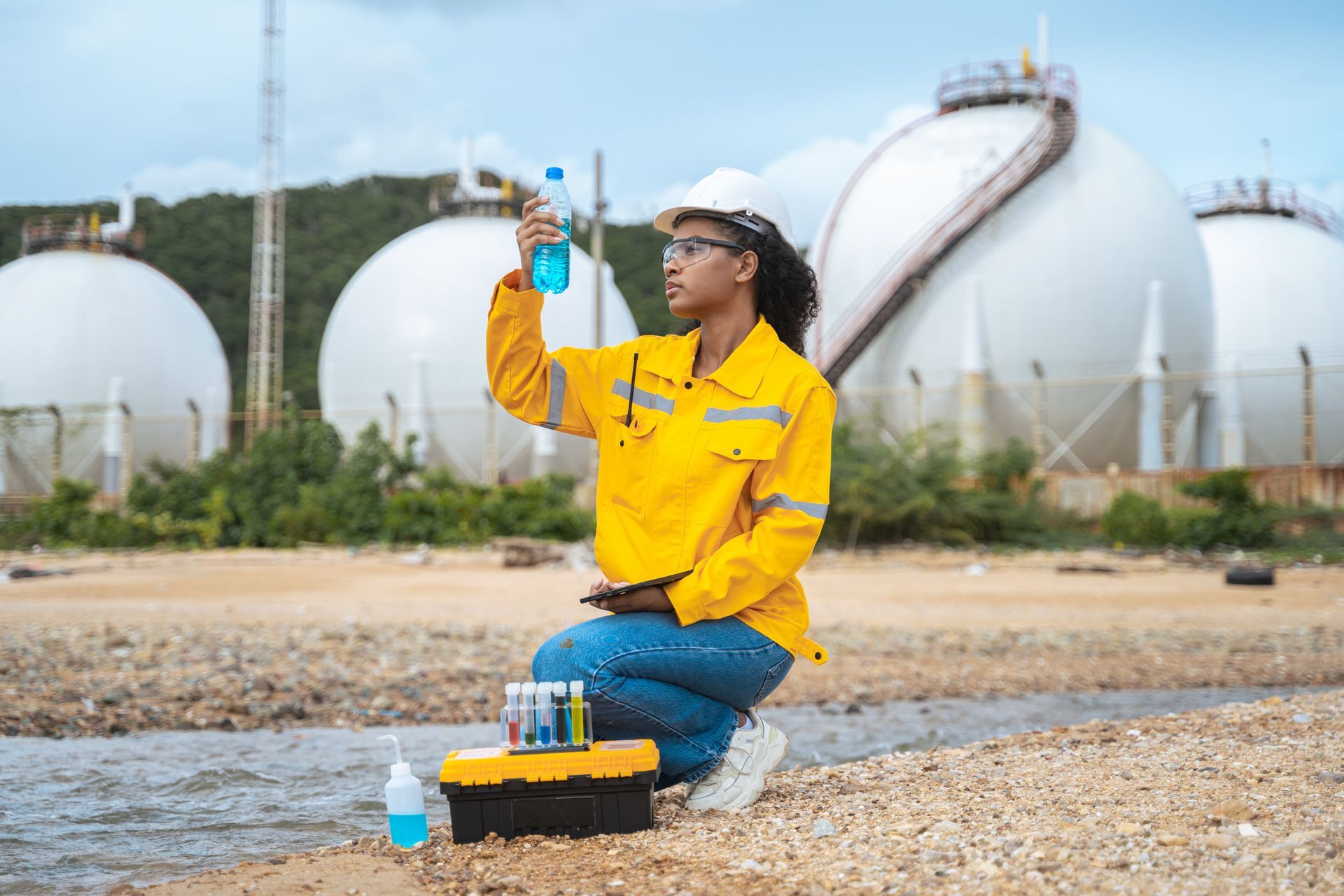
Property owners along the Seaside and Monterey County coastline face a practical challenge in 2026: knowing when to test groundwater versus Surface Water Testing and what each analysis actually reveals. This article covers the key differences between the two water sources, the contaminants most common in each, and the California regulations that may require testing for local residents, farmers, and land managers.
Groundwater vs. Surface Water: What Is the Difference?
Groundwater comes from underground aquifers accessed through wells. Surface water includes rivers, streams, ponds, irrigation canals, and runoff that flows above ground before reaching a receiving body like Monterey Bay.
In Monterey County, groundwater is the dominant supply. An estimated 95 percent of water used in the county comes from underground aquifers, with the Salinas Valley pumping roughly 500,000 acre-feet per year, most of it for agriculture. Surface water moves through the landscape differently, picking up contaminants more quickly and varying more with the seasons.
Why Both Sources Carry Unique Risks Along the Central Coast
Surface water in the Seaside and Monterey County area faces significant pressure from agricultural runoff. Monterey County leads California in strawberry, lettuce, broccoli, and celery production, and the California Department of Pesticide Regulation has monitored Central Coast surface water since 2008, with Monterey County watersheds among the primary focus areas.
Common surface water contaminants in the region may include pesticide residues from nearby row crop fields, nitrates and fertilizer-derived nutrients, bacteria such as E. coli from agricultural and animal sources, and sediment and turbidity from winter storm erosion.
Groundwater concerns differ. Saltwater intrusion is a documented problem along the coast, where overpumping has allowed ocean water to push inland through the 180/400 Subbasin beneath the Castroville and Salinas areas. Groundwater wells may also show elevated nitrates from years of fertilizer application.
When Does California Require Testing?
California regulations may trigger testing requirements for both water types depending on how the water is used.
For surface water, growers irrigating from streams or ponds may fall under the Produce Safety Rule and FSMA requirements, which can include microbial testing of agricultural water. Facilities that discharge to surface water may need coverage under an NPDES permit, administered in this region by the Central Coast Water Board.
For groundwater, California's Sustainable Groundwater Management Act (SGMA) is driving major changes in 2026. The Salinas Valley Groundwater Sustainability Agency is finalizing project decisions to bring overdrafted basins into balance by 2040. Property owners in affected subbasins may need to document water quality as part of compliance planning. Private well owners are generally advised to test at least once a year, and more often after nearby agricultural activity or noticeable changes in water quality.
How Often Should I Test Surface Water on My Property?
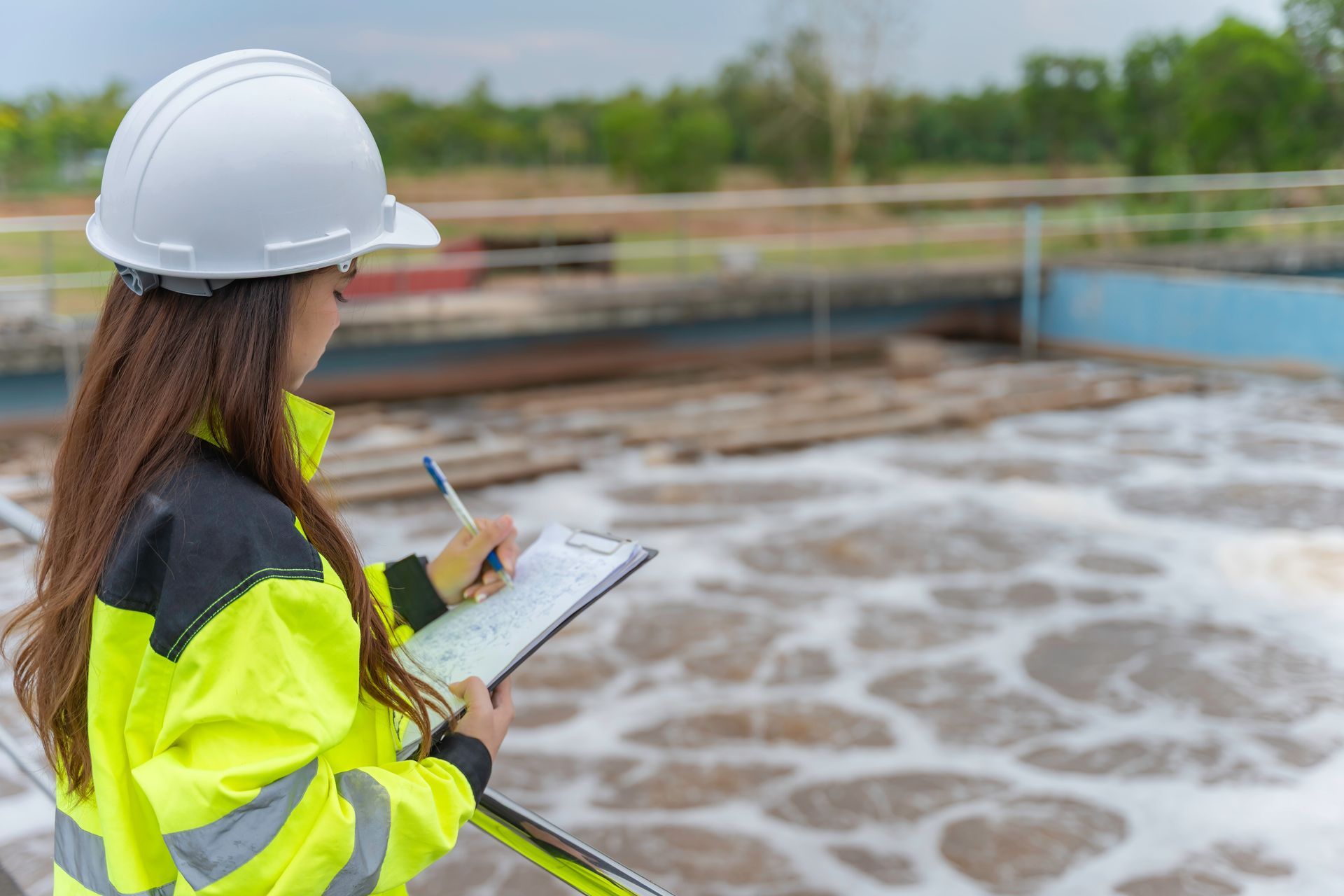
Testing frequency depends on water use and applicable regulations. Agricultural producers using surface water for irrigation may need seasonal or pre-harvest testing under California food safety rules. Surface Water Testing on a defined permit cycle may also be required under NPDES. The right schedule depends on your specific permit conditions and intended water use.
What Contaminants Should Surface Water Tests Include in This Region?
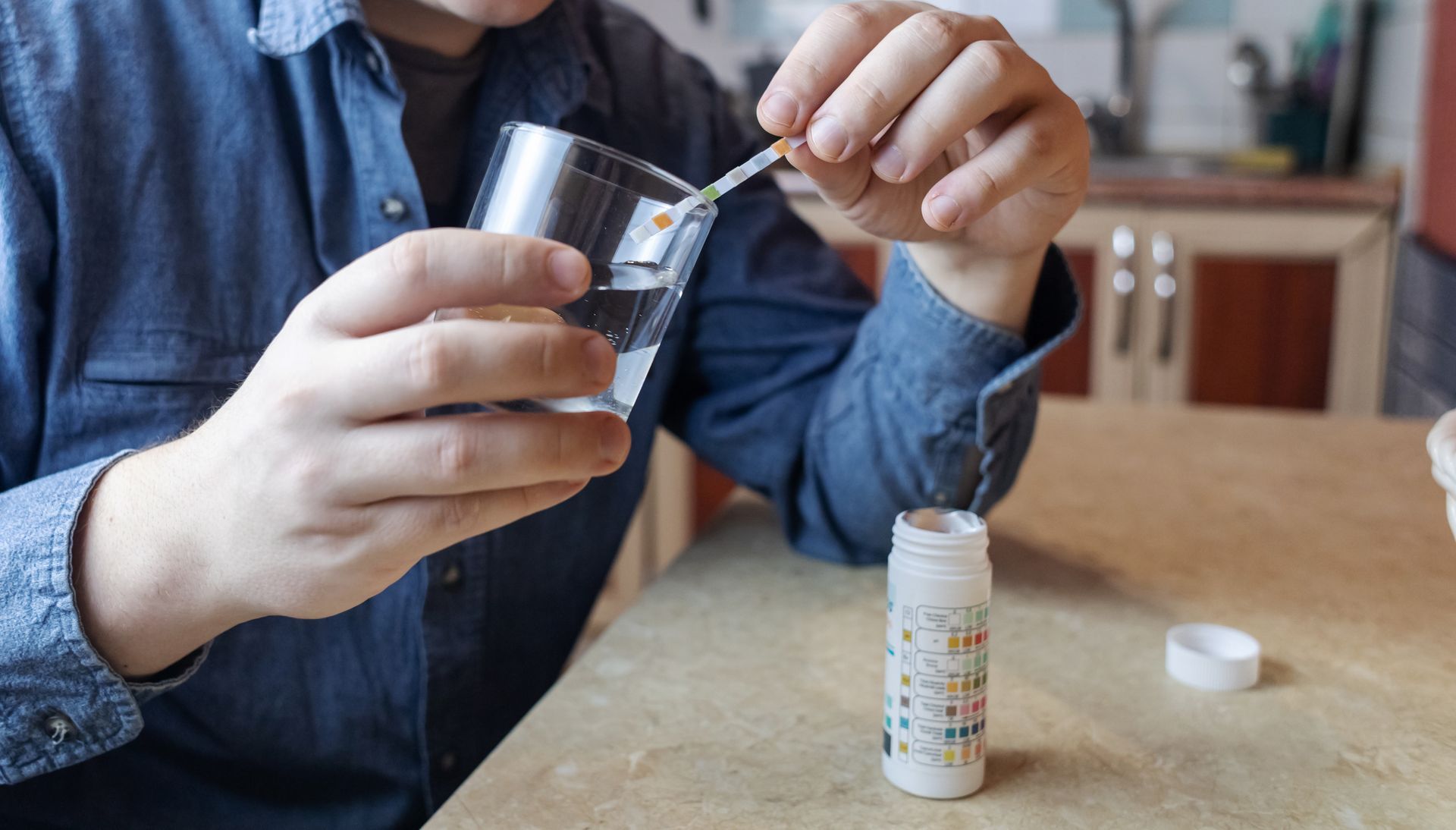
For Monterey County properties, a practical surface water panel may cover bacteria (including E. coli and total coliforms), nitrates, pesticide residues, pH, turbidity, and heavy metals. The right parameters depend on land use, proximity to crop fields or drainage channels, and the intended use of the water.
Get Local Support for Surface Water Testing Serving Watsonville, CA
Control Laboratories, serving Watsonville, CA, and the broader Monterey County region, offers professional Surface Water Testing and comprehensive water quality analysis with decades of Central Coast experience. Visit Control Laboratories to learn more, explore the full range of water quality testing services, or contact the team directly. Call (831) 724-5422 to request a quote or discuss your testing needs today.