Soil Analysis in the Salinas Valley: Common Problems and How Labs Test for Them
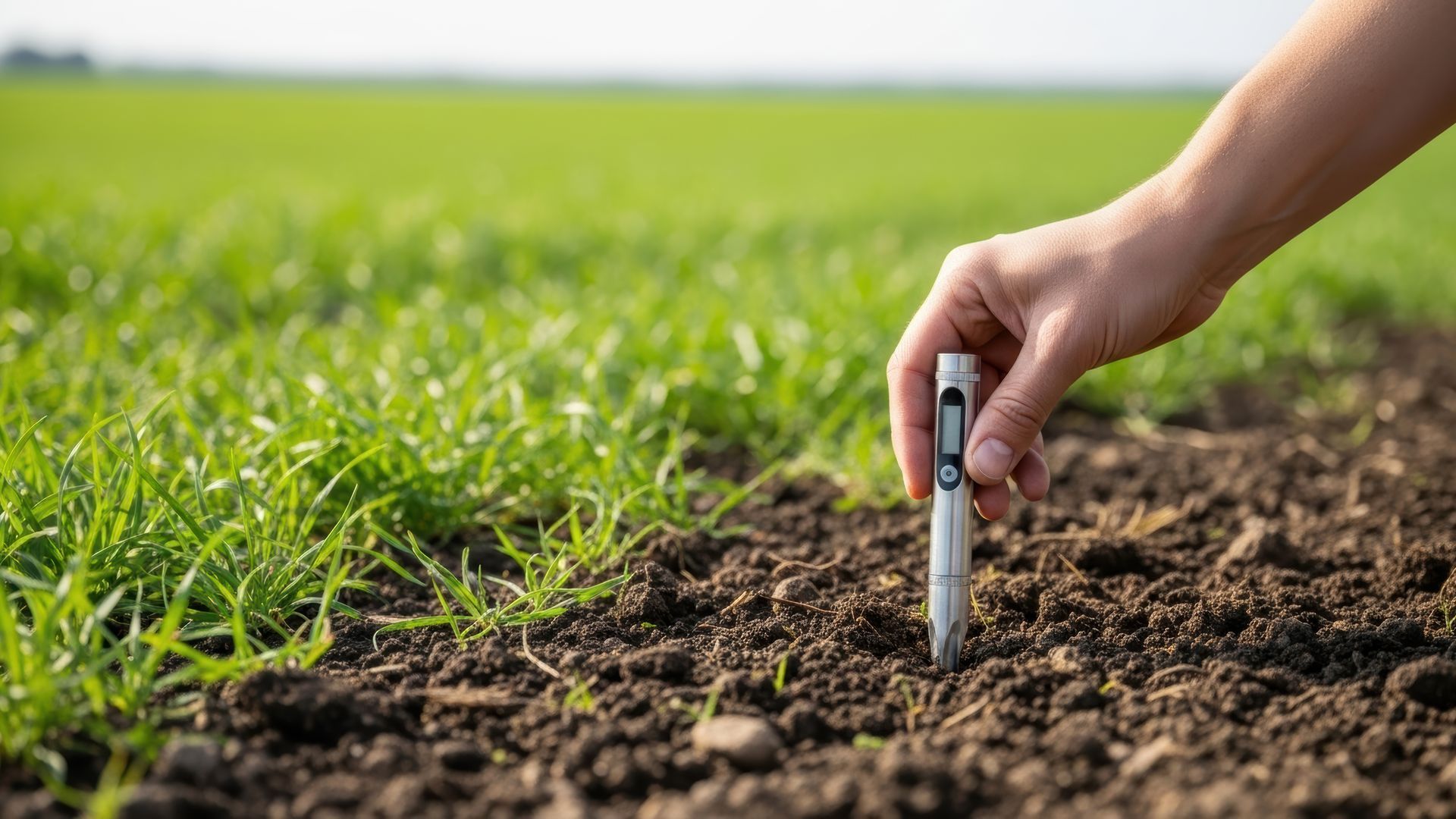
Soil problems in the Salinas Valley, CA, are well-documented, and soil analysis is one of the most reliable tools growers can use to understand and correct them. Fields from Castroville and Marina down through King City and Gonzales face challenges rooted in the valley's alluvial geology, intensive row-crop production, and proximity to Monterey Bay. Knowing which problems your field may be carrying and which lab test identifies each one can mean the difference between a strong yield and a lost season.
High Nitrate and the Leaching Risk Beneath Your Fields
Nitrogen management is one of the most critical concerns in the Salinas Valley. Leafy greens and other produce grown here require heavy fertilizer inputs, but shallow root systems allow excess nitrogen to migrate into groundwater. A nitrate-nitrogen test measures how much available nitrate is currently sitting in the soil profile. Growers can use these results to adjust fertilizer timing and rates before irrigation pushes nutrients below the root zone. When soil analysis in Salinas, CA, shows elevated nitrate at depth, application rates or timing may need to change. Pairing this test with irrigation water testing gives a fuller picture of total nitrogen load entering the system.
Soil Salinity From Irrigation Buildup
Decades of intensive irrigation and groundwater pumping have compounded natural salinity issues across the valley. Overpumping has driven seawater intrusion into freshwater aquifers, and the Salinas Valley is one of California's most recognized examples of this problem.
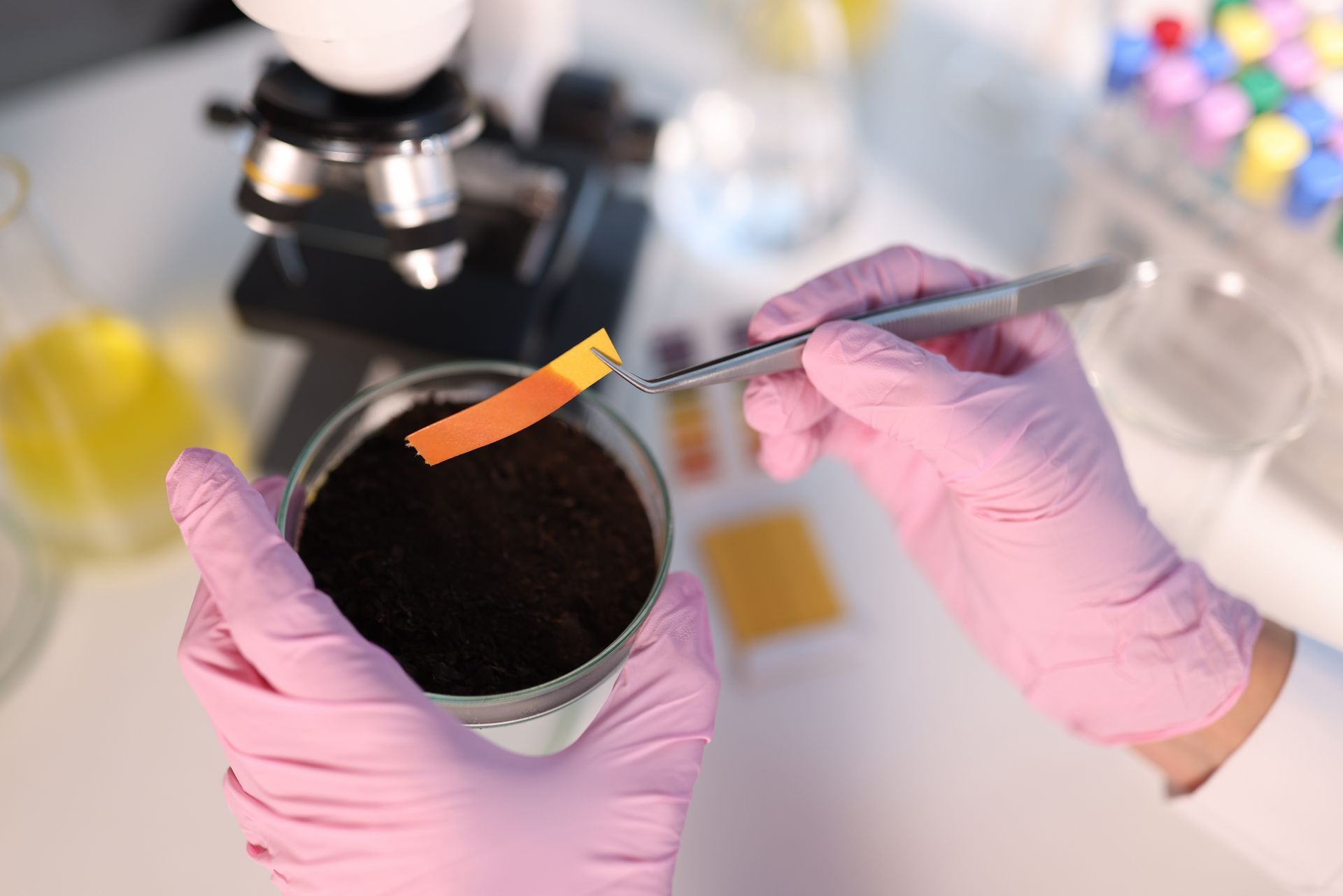
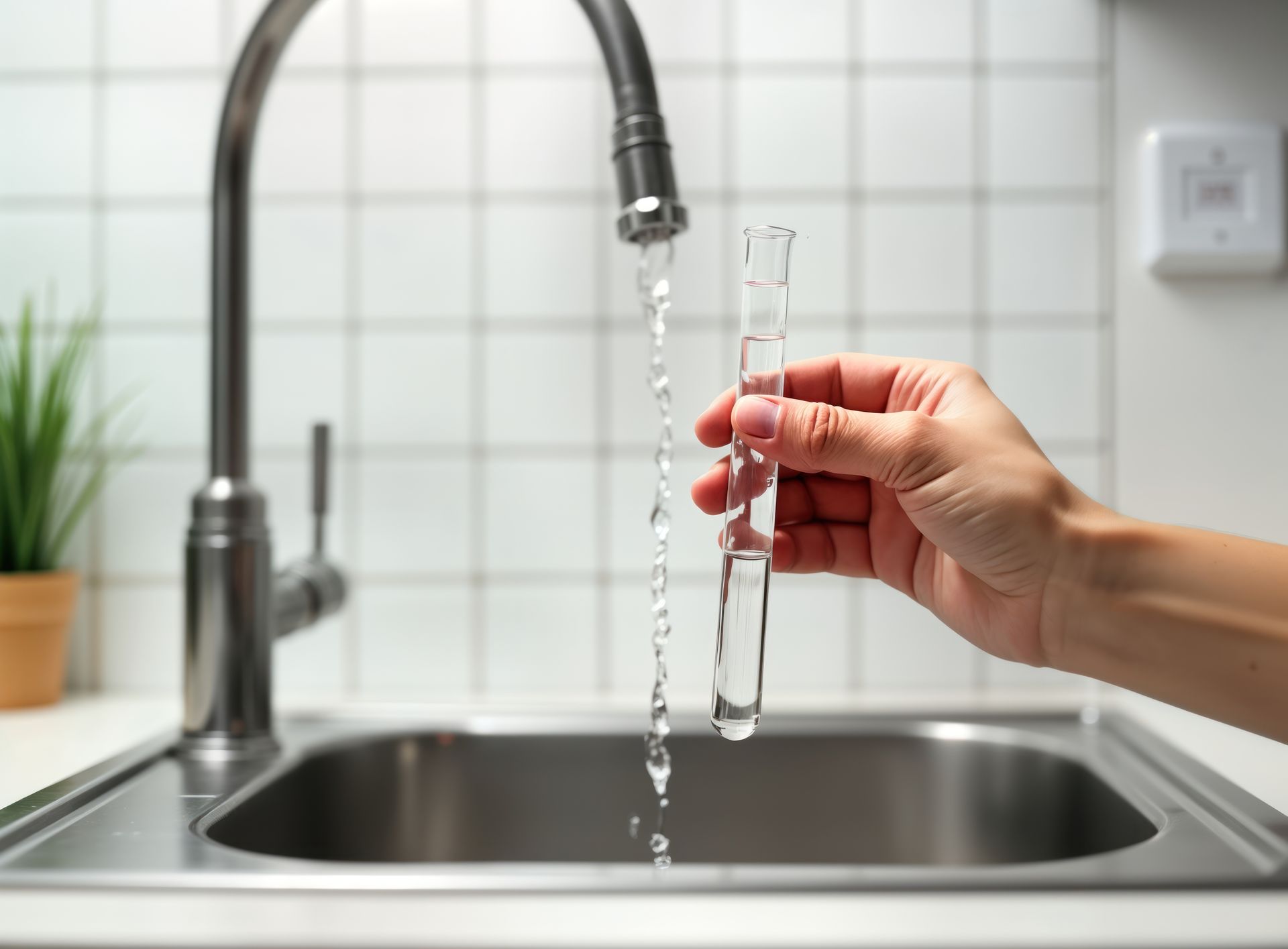
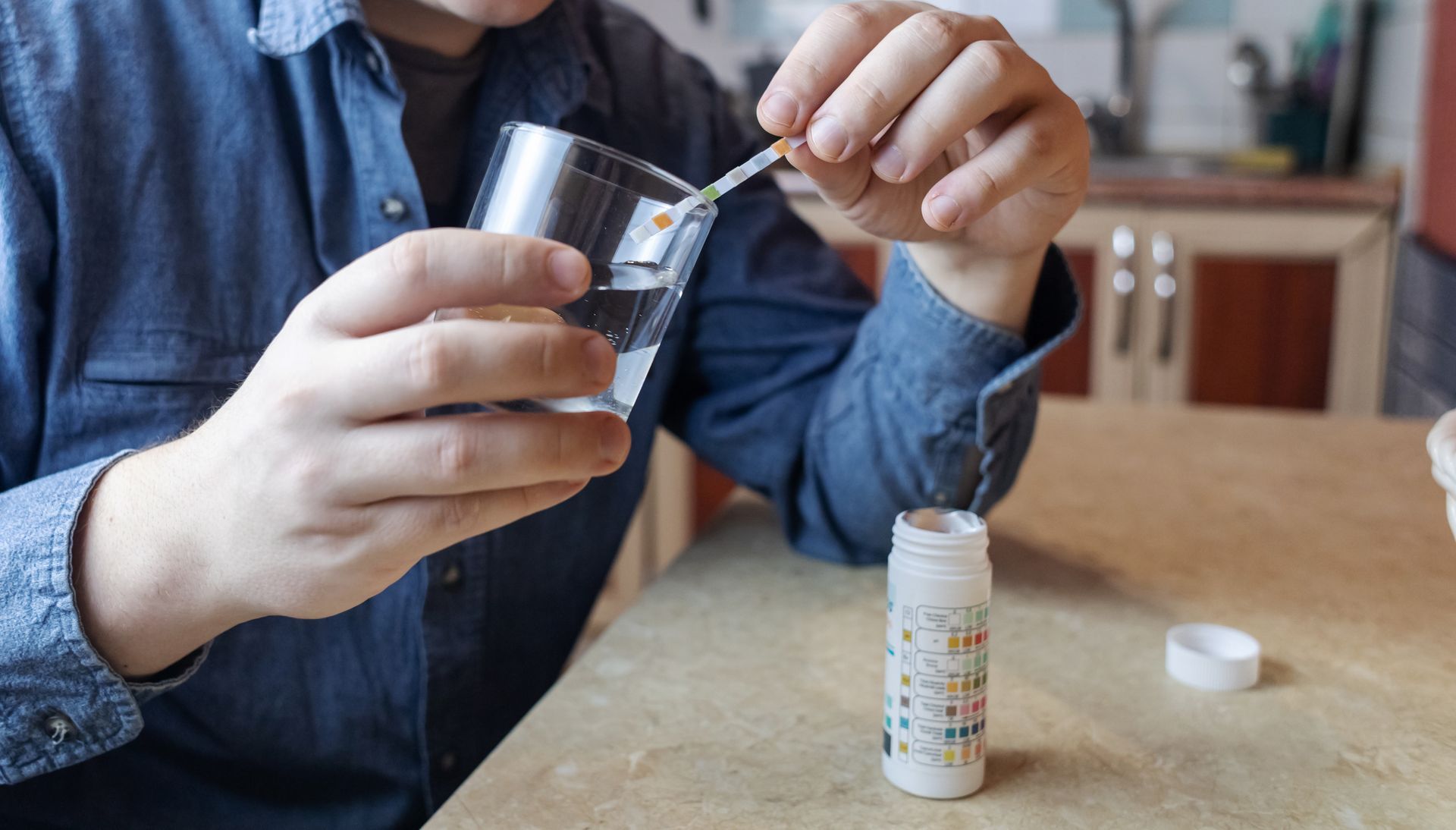
Labs measure salinity using an electrical conductivity (EC) test on a soil extract. High EC readings indicate salt accumulation that reduces water uptake and suppresses yields. A full soluble salt panel identifies which ions, such as sodium, chloride, or sulfate, are driving the problem. Results guide decisions on leaching fractions, gypsum applications, and irrigation water quality. You can explore water quality testing services alongside soil work when salinity is a concern.
Clay-Loam Compaction in Intensively Farmed Fields
The alluvial soils of the Salinas Valley are commonly clay-loam or silty clay-loam in texture. Repeated tractor passes, heavy harvest equipment, and wet-season field work press these soils into tight layers that restrict root growth and water infiltration.
A bulk density test or cone penetrometer reading quantifies how compacted a soil layer has become. Labs may also measure texture and pore structure to determine whether the problem is in the topsoil or deeper in the profile. High bulk density in the upper 12 inches may call for deep tillage, cover cropping, or targeted organic matter additions. Collecting samples at multiple depths pinpoints where the restriction begins, and scheduling soil analysis before and after tillage verifies whether interventions are producing measurable improvement.
Low Organic Matter Across Row-Crop Ground
Continuous vegetable production with minimal residue return depletes soil organic matter over time. Low organic matter reduces the soil's capacity to hold water and nutrients, limits beneficial microbial activity, and worsens compaction.
An organic matter test, run as loss-on-ignition or Walkley-Black carbon, returns a percentage reading for your field. Results below roughly 2% indicate a soil that may benefit from compost, cover crops, or other amendment strategies. Organic matter changes gradually, so tracking results across multiple seasons provides more useful context than any single reading. Compost is a practical tool for Salinas Valley growers looking to rebuild depleted fields, as it improves both soil carbon content and physical structure.
How Proximity to the Coast Affects Soil pH
The Salinas Valley opens directly to Monterey Bay, and marine influence shapes local soil chemistry in ways that differ from inland regions. Coastal fog, higher humidity, and lower temperatures affect soil metabolism and organic matter cycling. Fields near the coast, from Castroville toward Salinas proper, often test at slightly higher pH compared to sites farther south toward Soledad or King City.
A standard soil pH test identifies whether your field is trending acidic, neutral, or alkaline, and that reading directly affects nutrient availability. Phosphorus, zinc, and iron can become less available as pH climbs above 7.5. Lime, sulfur, and targeted fertilizer programs can all be calibrated once you have an accurate pH baseline. Routine soil analysis across pH, salinity, and nutrient dimensions gives coastal growers the clearest picture of what their fields actually need.
What Does a Basic Soil Test Panel Typically Include?
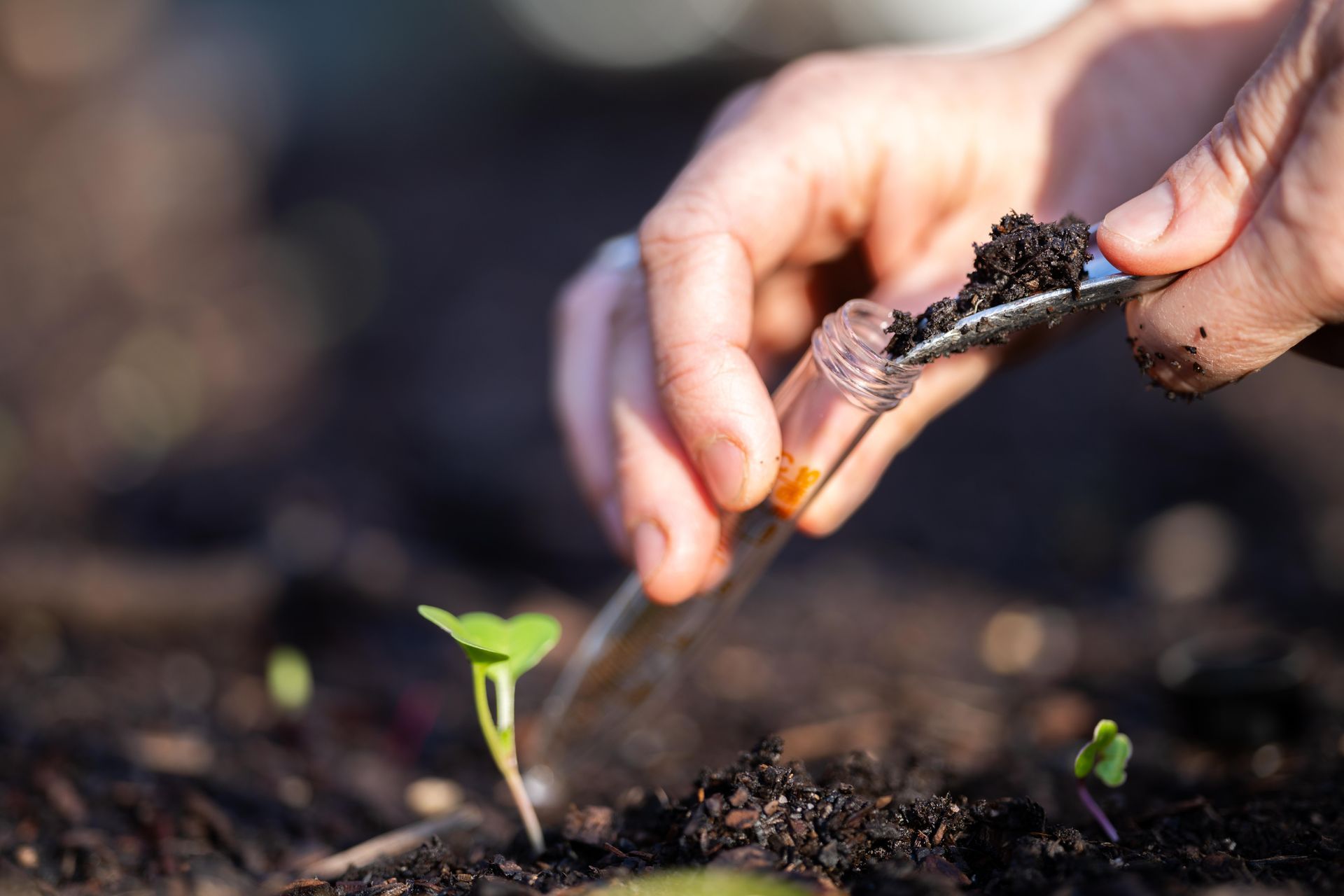
A standard agricultural soil test typically measures pH, EC, available macronutrients (nitrogen, phosphorus, potassium), secondary nutrients (calcium, magnesium, sulfur), and organic matter percentage. Some panels also include trace elements such as iron, manganese, zinc, and boron. Results are reported alongside amendment recommendations based on the crops being grown.
How Often Should Salinas Valley Growers Test Their Soil?
Most agronomists recommend testing at least once per season for intensively managed row crops. Fields with known salinity, compaction, or organic matter issues may benefit from more frequent sampling to track whether amendments are working. Sampling the same locations each cycle at consistent depths produces results that can be compared over time.
Ready to Submit Samples? Contact us Today!
Growers across the Salinas Valley, CA, can get accurate, actionable data by submitting samples for professional soil analysis. Control Laboratory has served California's agricultural community for decades, providing precise testing for nutrients, pH, salinity, organic matter, and more. Request a quote, download submission forms, or reach out through the soil testing services page or the contact page. You can also call (831) 724-5422 to speak with a lab professional about your specific field concerns.
Find Control Laboratory
on Google Maps for directions and location details.