How Often Should Salinas Valley Farms Test Their Soil in 2026? An Agricultural Soil Testing Guide
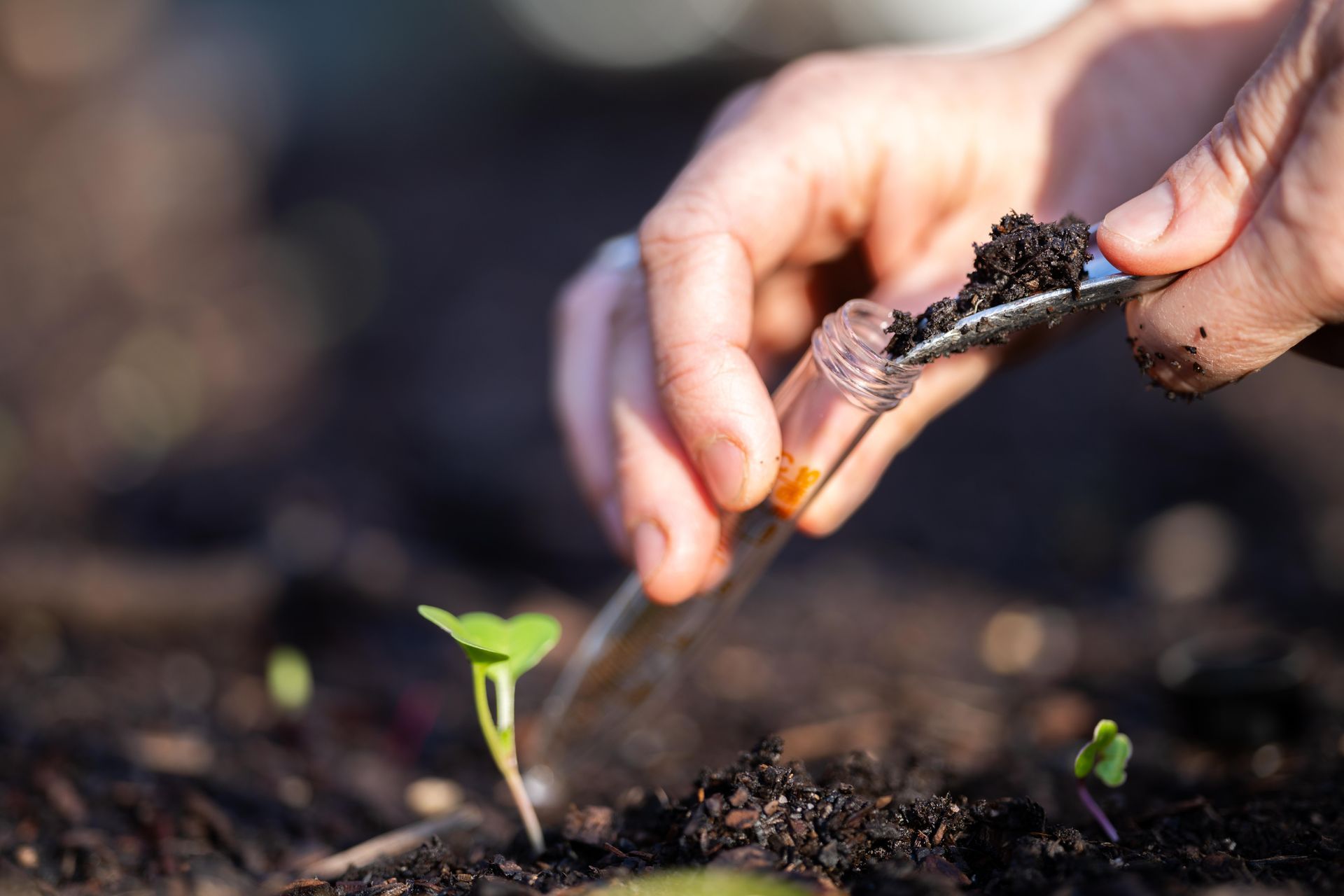
Knowing the right testing schedule for 2026 can make a real difference in your crop yields. This guide covers recommended agricultural soil testing intervals by crop type, how the valley's unique growing cycles affect timing, and how test results can drive smarter fertilization decisions. Growers across Monterey, CA, can use this information to plan a schedule that keeps their fields producing at full potential.
Why Salinas Valley Farms Need a Consistent Testing Schedule
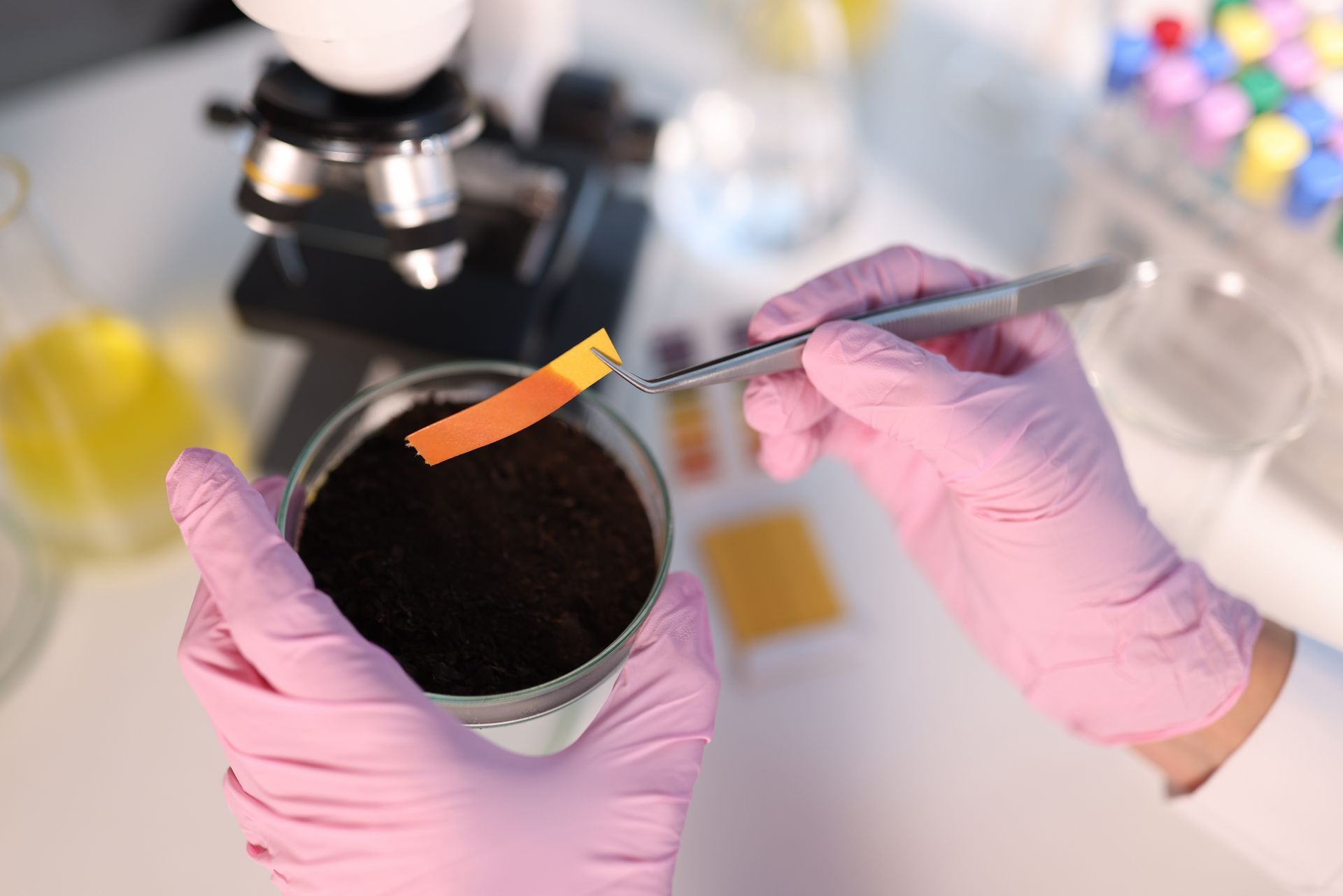
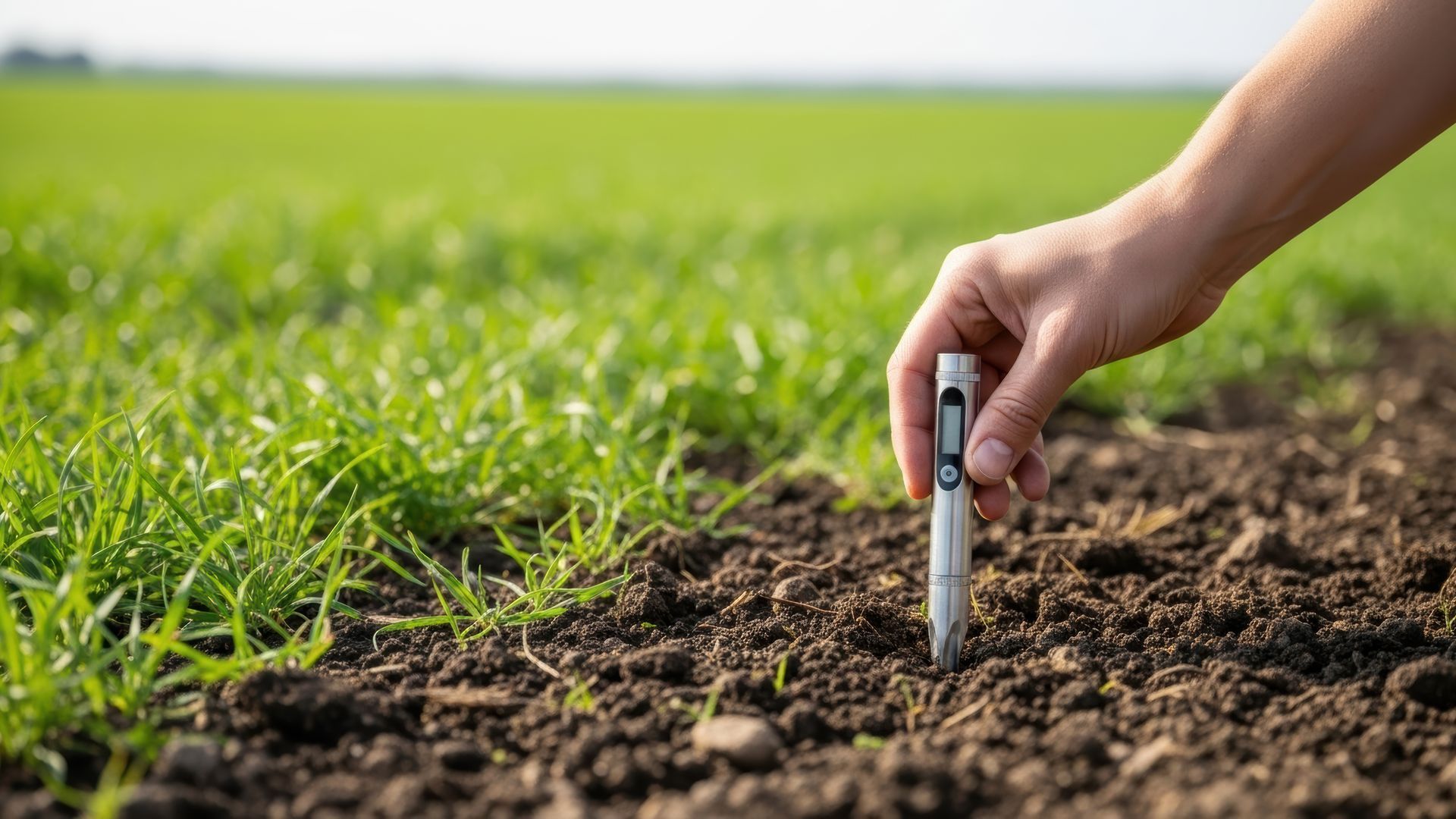
Regular soil testing helps growers understand what their land can do. The Salinas Valley's alluvial soils tend toward neutral to moderately alkaline conditions, meaning pH and nutrient levels can shift meaningfully between crop cycles. Without a testing schedule, fertilizer applications become guesswork, and guesswork costs money.
The valley's growing calendar runs roughly from early spring through late fall for most vegetable crops, with some fields rotating through two or three crops per year. That intensity puts real pressure on nutrients, organic matter, and microbial activity. Agricultural soil testing in Monterey, CA, gives growers a baseline to return to after every major rotation so they know exactly where the soil stands before the next planting.
UC Cooperative Extension advisors in Monterey County have highlighted the value of cover crops and compost for managing organic matter and reducing nitrate leaching between cycles. Testing before and after these practices confirms whether they are actually building long-term soil health.
How Often Should You Test by Crop Type?
Testing frequency depends on production intensity and the nutritional demands of the crop.
Leafy Greens (Lettuce, Spinach, Arugula)
Many fields run a spring crop harvested by early summer, then prepare immediately for a second planting. For fields running two or more rotations per year, annual agricultural soil testing is a practical minimum. Many operations benefit from testing before each new planting cycle, particularly for nitrogen and pH, since leafy greens are sensitive to both. Fields near Salinas, Spreckels, and Chualar that carry heavy traffic may also see compaction affecting nutrient uptake, which testing can flag early.
Strawberries
Strawberries have higher and more specific nutritional needs than most row crops. Phosphorus levels can remain elevated in heavily fertilized fields, making pre-plant testing essential to avoid over-application. Annual agricultural soil testing before the planting season is widely recommended, with plant tissue analysis used mid-season to monitor uptake. Fields near Watsonville and south toward King City may experience different soil profiles, so field-specific samples matter more than blanket applications.
Brassicas (Broccoli, Cabbage, Cauliflower)
Brassicas are heavy feeders and can deplete sulfur, boron, and nitrogen quickly. Testing once per year before the primary planting window is a reasonable baseline, but fields rotating brassicas into a second fall planting may benefit from a mid-year check. The gap between cycles is a good opportunity to sample and adjust.
A Sample Annual Soil Health Calendar for Salinas Valley Growers
Adjust this framework to your specific crops and rotation:
▸ January to February: Pre-plant sampling before spring seedlings go in. Test for pH, nitrogen, phosphorus, potassium, micronutrients, and salinity.
▸ March to April: Review results and apply amendments before transplanting leafy greens or brassicas.
▸ June to July: Mid-season tissue testing for strawberries and any crops showing stress. Compare to pre-plant soil data.
▸ August: Post-harvest sampling after the first rotation. This reading informs prep for the fall planting cycle.
▸ September to October: Pre-plant test before fall brassicas or leafy greens go in. Fall soil chemistry in the Salinas Valley often differs significantly from spring.
▸ November to December: Post-season sampling after final harvest. Results guide cover crop selection and compost applications over winter.
How Do Soil Test Results Drive Fertilization Decisions?
Soil test results tell you which nutrients are available in the root zone and which are lacking, letting you replace blanket fertilizer programs with targeted applications. A field showing adequate phosphorus before a strawberry planting does not need additional inputs, which saves cost and reduces runoff risk. Nitrogen management is especially critical here, where research has shown that reducing nitrate leaching improves both soil health and water quality.
What Parameters Matter Most for Salinas Valley Vegetable Crops?
For most intensive vegetable operations, useful agricultural soil testing panels cover pH, electrical conductivity, nitrate nitrogen, phosphorus, potassium, calcium, magnesium, sulfur, and micronutrients like boron and zinc. Organic matter testing is worth including at least once a year, particularly for fields using cover crops or compost.
Putting Your Test Results to Work
A soil test is only as valuable as the action it drives. Once results come back, compare them to crop-specific nutrient guidelines and build a fertilizer program around the gaps. Fields with high salinity readings may need leaching or drainage improvements before planting. Fields showing low organic matter may benefit from a cover crop or compost application over winter. Pairing UC Cooperative Extension recommendations with actual agricultural soil testing data from each growing cycle gives growers the clearest possible picture of what their soil can support.
Partner With a Lab That Knows the Region
If you are ready to build a smarter testing schedule for 2026, Control Laboratory has served California's agricultural community for decades and offers agricultural soil testing services tailored to commercial vegetable and specialty crop growers.
To get started or discuss a testing plan that fits your operation,
contact Control Laboratory or call
(831) 724-5422 today. You can also find them
on Google Maps to read reviews from other growers in the region.